Frazer-Nash are a multidisciplinary engineering consultancy delivering innovative systems, engineering, and technology solutions across multiple industries to make lives safe, secure, sustainable, and affordable.
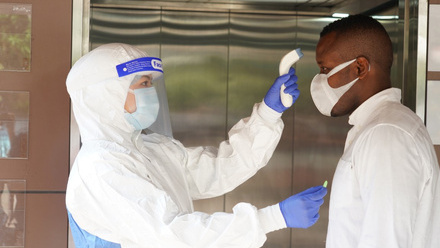
The pandemic highlighted the importance of proper PPE for keeping healthcare workers safe, however new research examines the physical effects of wearing the equipment while facing a heavy workload.
Teaching decision-making skills to junior medical staff could help them make faster and more effective diagnoses in emergency departments and reduce the gap between them and senior doctors.
A Systems Approach to investigating and learning from patient safety incident course has been designed to equip you with the knowledge and skills required to take a systems approach to learning responses including investigations.
When it comes to PPE, one size definitely doesn’t fit all and more still needs to be done to give women working in healthcare the right equipment to keep them safe and comfortable.
A self-powering health sensor that can be worn by patients and doesn’t need wires or a battery pack has been created using a new material that’s low-cost and comfortable to wear.
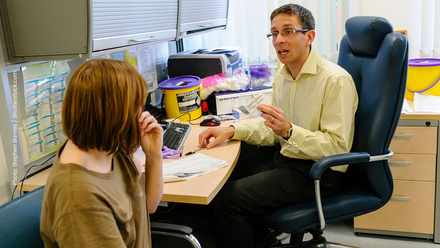
Patients and medical teams are improving interactions with each other, improving the treatment experience and building better connections by sharing details of their lives
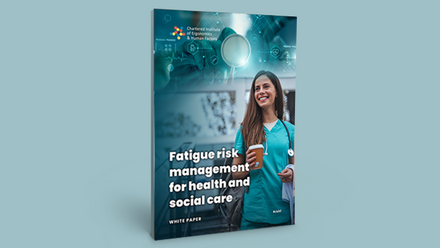
This paper aims to present a roadmap for improving fatigue risk management in health and social care to improve patient safety and individual health workers' health and wellbeing.
A new study explores how to improve care for patients with mental health problems and support medical staff working with them in hospital emergency departments
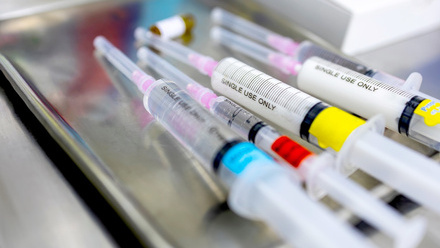
A report by the Healthcare Safety Investigation Branch has recommended a series of measures to reduce the risk of the wrong implant being inserted into patients, including where packaging and labelling could make a difference.
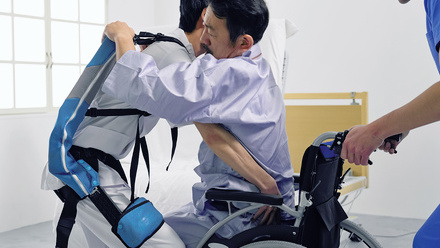
Could a balloon-equipped robot vest allow stroke patients and people living with motor neurone disease to regain mobility and reduce fatigue from everyday tasks?
Getting the right diagnosis is vital for patients, but could attempts to reduce the risk of errors by doctors be focusing on the wrong factors and do we need to think again about the advice given to medics?
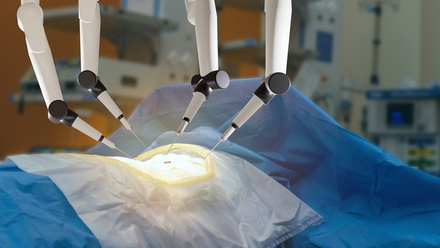
Doctors back on Earth could carry out emergency surgery on astronauts in space thanks to a miniature medical robot that will soon be tested during trials at the International Space Station.
Could a lack of diversity among the body types that medical students experience when they’re learning to carry out examinations have an impact on patient safety?
‘Decision fatigue’ has been blamed for depleting our power to make effective choices but could its impact on the way we think have previously been over estimated?
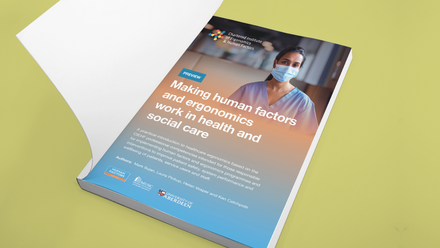
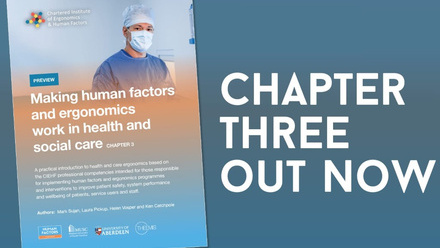
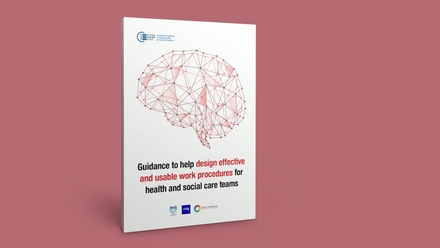
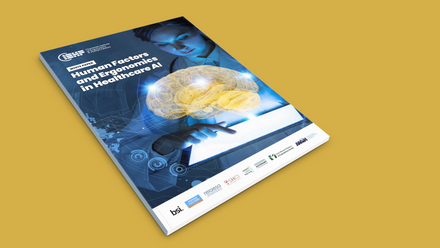
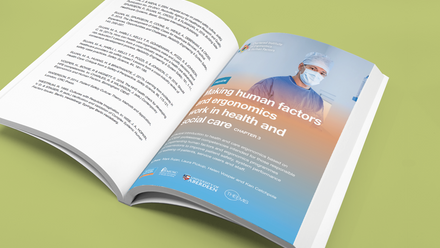
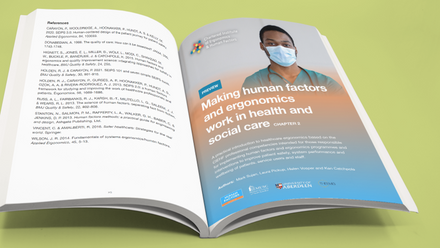
Discover more about designing tasks and improving outcomes and wellbeing with the latest chapter of a free ebook exploring how human factors can make a difference in health and social care.
Tune in to the latest news and thinking in human factors with two new podcasts – All Systems Ergo, focused on healthcare topics, and the Pulse, our own series packed with updates and insight from the CIEHF.
We're an award-winning Human Factors training and consultancy company, providing services to the oil and gas, COMAH, marine, aviation, financial and healthcare sectors.