As the COP30 climate summit draws to a close in Brazil this week, how can human factors help businesses create tackle environmental issues and build a more sustainable future?
Human factors is already playing a role in helping meet the UN’s Sustainable Development Goals, but a study has highlighted areas where it could make an even bigger contribution to tackling the challenges facing our world.
The COP26 summit put climate change at the top of the world’s agenda, with countries and major companies pledging step up efforts to help our planet. But it’s not just big businesses who want to play their part in reaching the ambitious target of net zero emissions.

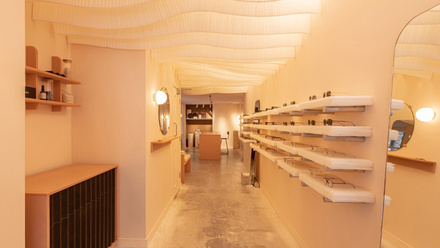
Two very different spaces have been named the joint winners of a top architecture award, including a sustainable eyewear shop which has been created almost entirely out of bio-based or recycled materials.
Discover the sustainable house that can expand and adapt to meet the changing needs of its residents and includes a vertical garden as well as systems to collect its own water and energy.
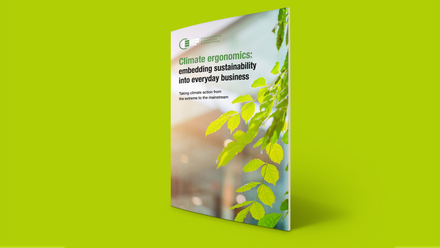
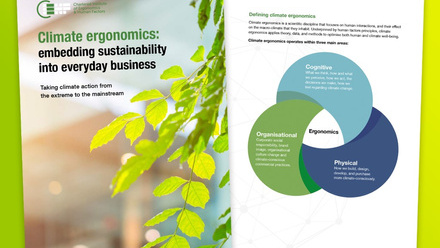
With COP27 almost over, the climate crisis is back under the global spotlight and our free Climate Ergonomics guide can help bring human factors thinking to the challenge of creating a more sustainable world.
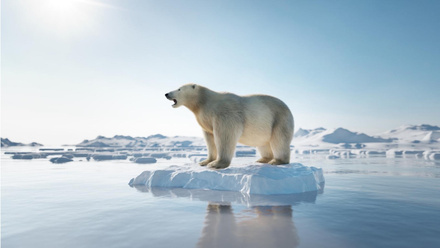
With thousands of animal and plant species disappearing from our planet, how can human factors help spread the message about the biodiversity crisis and improve the relationship between people and nature?
A self-powering health sensor that can be worn by patients and doesn’t need wires or a battery pack has been created using a new material that’s low-cost and comfortable to wear.
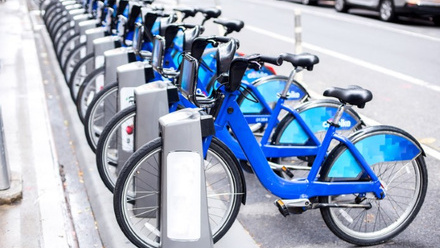
Could a system of shared self-driving bikes that can move themselves to where they’re most needed help people get around city centres in a more efficient and sustainable way?
After the latest agreement to tackle climate change was agreed at the recent COP28 summit, what can human factors professionals do to help create a greener and more sustainable future?
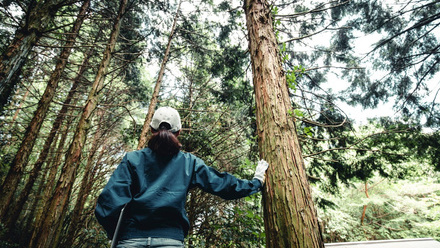
An award-winning system could help forestry workers keep track of changes in the woodland and share data and knowledge to protect these environments from the challenges of climate change.
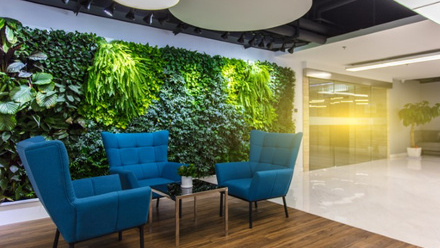
Green ergonomics can help create offices that not only improve the wellbeing and creativity of employees but could also help tackle the climate challenge and spread a more eco-friendly culture.