Trust in technology
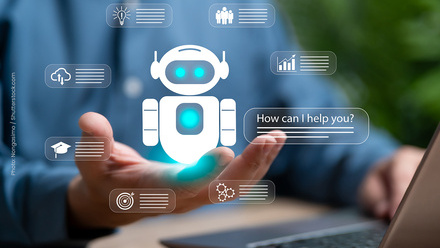
As digital payment methods become increasingly common, ATMs are evolving into machines that are capable of doing more than just dispensing cash. Some organisations are exploring the use of AI-powered avatars to help customers use the devices carry out more complex tasks. But do customers trust the avatars to carry out financial tasks instead of a human bank teller?
New research presented at Ergonomics & Human Factors 2026 examined this issue to find out how comfortable customers were with the innovation and how this could influence future design. Thirty participants used an ATM prototype with an avatar to carry out a range of routine and more complex financial transactions.
The findings showed that the levels of trust varied depending on what sort of task they needed to complete.
While the users were comfortable engaging with the avatars for the more procedural stages of a task, such as applying for a loan, they preferred humans when it came to interactions that needed “interpretation, reassurance or accountability”.
The study said: “ATMs are increasingly positioned as self-service access points for tasks traditionally handled by human tellers, including reporting fraud, managing standing orders, resolving technical issues and handling loan applications. These changes are driven by operational cost, resilience and customer convenience.
“However, these are precisely the interactions where perceived risk, emotional load and the need for accountability are highest. The findings show that introducing avatar interfaces into these environments without understanding how users interpret trust within tasks risks undermining confidence in both the technology and the institution deploying it.”
The study was carried out by Elaine Scogul, Michael Crabb and Gemma Webster of the University of Dundee and Phil Day and Andrew WD Smith from NCR Atleos.