Supporting peak performance
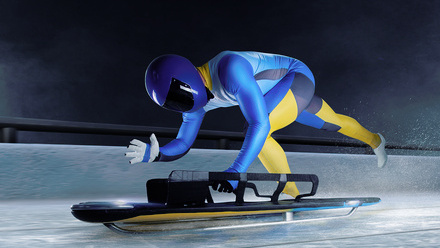
Throughout this year’s Winter Olympics and Paralympics, sports fans have been captivated by incredible performance from some of the world’s best athletes. At such a high level, everything counts towards the best possible performance, including sleep schedules.
Researchers have examined the effects of a disrupted circadian rhythm – our internal 24-hour biological clock – on elite athletes. This disruption can affect sleep patterns as well as hormone production and other biological processes and is often experienced by shift workers.
Focusing on footballers, the study highlighted how their body clock can be affected by factors such as evening matches, long-distance travel and intense, blue-enriched light from floodlights. It also examined the social and environmental impacts of this disruption and suggested a range of measures that could be used to safeguard both players and spectators, including changing match times and altering the lighting used in stadiums.
The research, published in the Journal of Sports Science, said: “Circadian disruption in football is a systemic issue that compromises both performance and long-term health. Late-evening fixtures, congested schedules, artificial lighting and long-haul travel disrupt sleep, suppress melatonin, elevate cortisol and impair recovery processes.
“These disturbances hinder muscle repair, increase the risk of injury and erode cognitive and emotional resilience. Evidence also indicates disproportionate vulnerability in youth and female players, whose developmental and hormonal profiles heighten sensitivity to circadian misalignment. Repeated exposure over a career mirrors patterns seen in shift workers, raising concerns for cardiovascular, metabolic and psychological health outcomes that extend beyond sport.”